
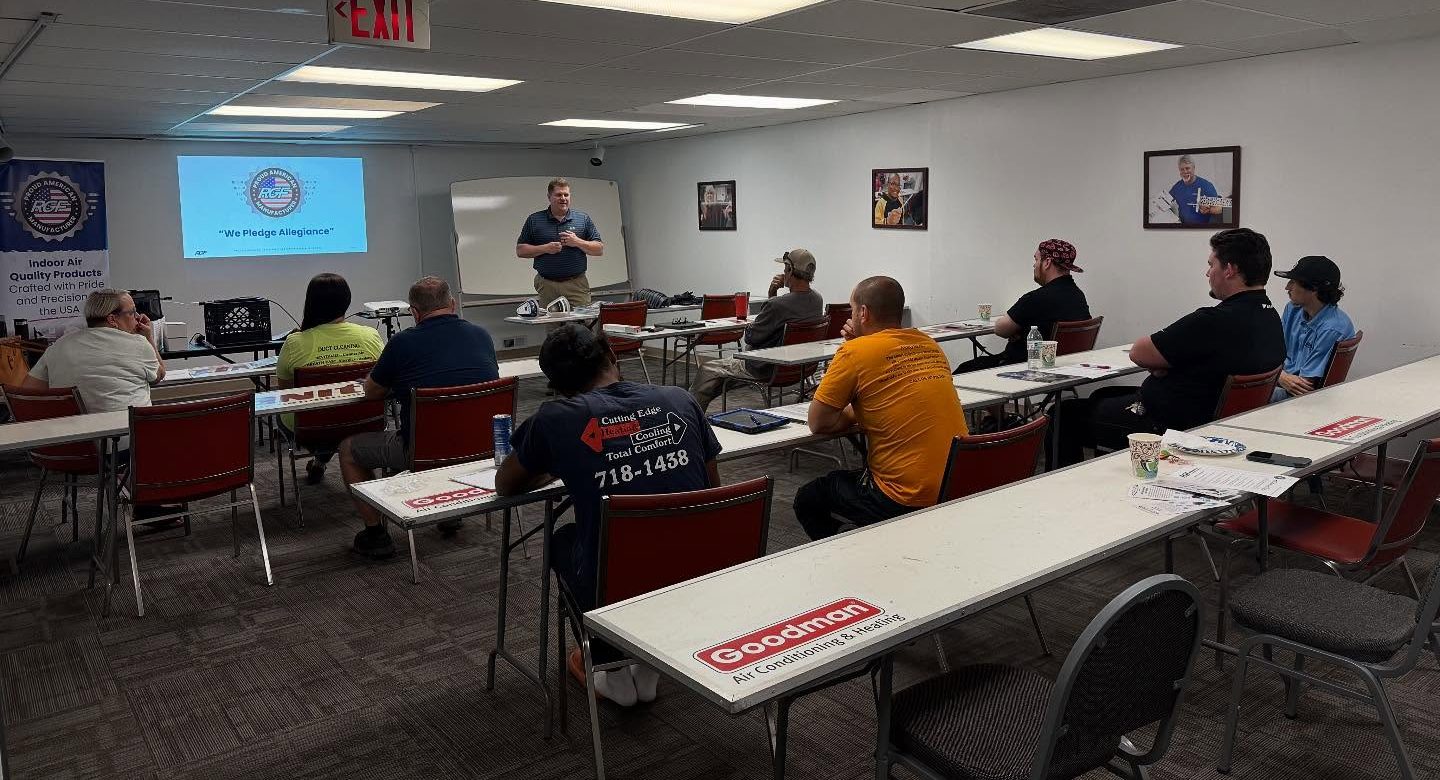
For HVAC contractors, indoor air quality is no longer just an add-on to discuss during certain times of the year. IAQ can be a year-round opportunity to provide customers with more complete comfort solutions while adding value to routine service calls, system replacements, and maintenance visits.
The key is knowing when to start the conversation and how to connect the right IAQ solution to what the customer is already experiencing in their home or business.
Look Beyond Heating and Cooling
When customers call an HVAC contractor, temperature is usually the first concern. But comfort goes beyond whether a system can maintain the thermostat setting. Odors, excessive dust, humidity issues, stale air, and concerns about airborne contaminants can all lead to conversations about indoor air quality. These issues may come up during a service call even when the HVAC equipment itself is operating correctly.
Rather than treating IAQ as a completely separate sale, contractors can make it part of the overall system evaluation. Questions such as “Are there any rooms where you’ve noticed more dust or odors?” or “Do you have any concerns about the air quality in the home?” can help identify needs that might otherwise go unmentioned.
Make IAQ Part of Routine Service Calls
One of the easiest opportunities to discuss IAQ is during work contractors are already performing. During preventive maintenance, technicians are inspecting filters, coils, drain lines, blower components, and other areas that can affect system cleanliness and air movement. A system replacement also provides a natural opportunity to discuss whether the homeowner wants to address indoor air quality while upgrading the rest of the HVAC system.
Common opportunities can include:
- Preventive maintenance visits
- System replacements
- Filter changes or airflow concerns
- Recurring odor complaints
- Excessive dust or particulates
- Humidity-related concerns
- Customers asking about cleaner indoor air
- Homes with pets, renovations, or other sources of airborne particles
The goal is not to recommend an IAQ product on every call. It is to recognize when there is a legitimate need and be prepared to explain the available options.
Know the Products You Are Recommending
Contractors also need to understand that IAQ is not a one-size-fits-all category. Different products address different concerns, and being able to explain those differences can make the conversation much easier for both the technician and the customer.
Technicians should understand what each product is designed to do, where it is installed, how it integrates with the HVAC system, and what maintenance may be required. Installation and wiring requirements are equally important. That product knowledge helps technicians move beyond simply saying, “We offer an air purifier,” and instead recommend a solution based on the customer’s specific concerns and HVAC system. When technicians can clearly explain why they are recommending a particular product, customers can make a more informed decision.
Give Your Technicians the Tools to Have the Conversation
For an IAQ program to be successful, technicians need more than products on the truck. They need to understand how to identify opportunities, explain product differences, install the equipment correctly, and answer common customer questions.
Training is an important part of that process. The more comfortable technicians are with IAQ products and their applications, the easier it becomes to incorporate IAQ into everyday service calls without making the conversation feel forced.
Superior Equipment Sales is hosting a free hands-on IAQ training classes with RGF on Wednesday, September 23, from 8:30 AM to 10:00 AM at our Chesapeake branch and Wednesday, October 7, from 8:30 AM – 10:00 AM at our Richmond branch.
Whether you already sell IAQ products or want to become more comfortable introducing them to customers, this class is a great opportunity to strengthen your product knowledge and prepare your team for more IAQ conversations.

